Blood Test or Scan? How Doctors Choose the Right Diagnostic Test for Different Symptoms
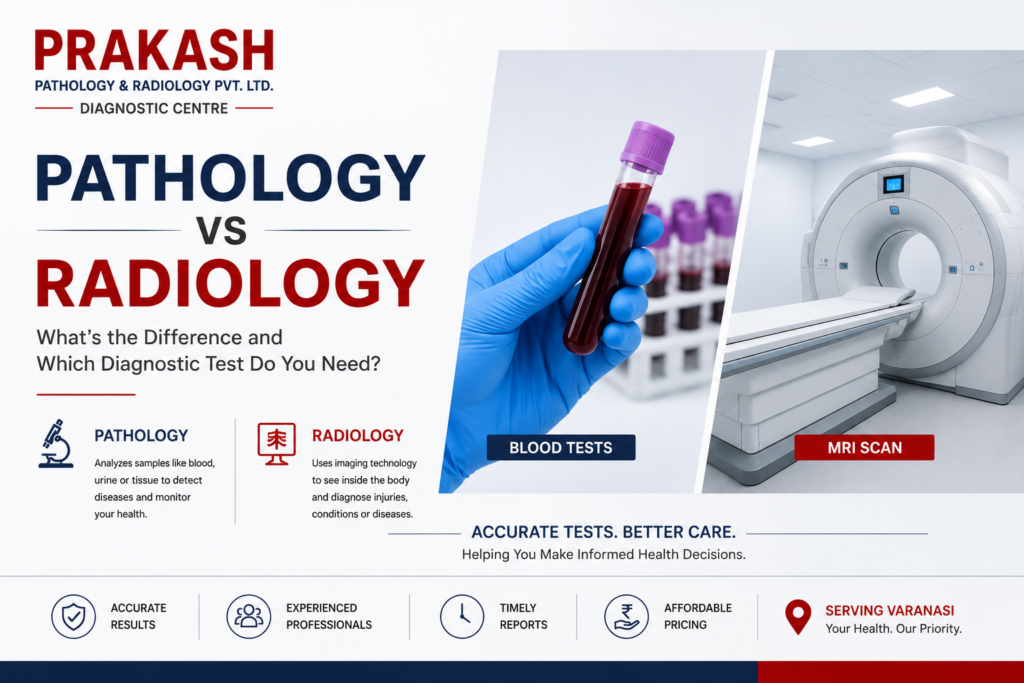
When you describe your symptoms to a doctor, they’re not just listening — they’re mentally working through which specific tests will actually confirm or rule out what they suspect. Sometimes that means a blood test, sometimes a scan, and often both together. Understanding this decision-making process can help you make sense of your own prescription, and know what to expect once you’re at the diagnostic centre. Here’s how doctors typically approach some of the most common symptoms. Persistent Fatigue Fatigue has dozens of possible causes, which is why doctors usually start broad: Fatigue is a classic example of starting with pathology first, since it narrows down the likely cause before deciding if imaging is even necessary. Abdominal Pain This is one of the clearest examples of needing both categories together: Chest Pain Given how many different things can cause chest pain — some far more urgent than others — doctors typically move quickly here: Persistent Headaches Most everyday headaches don’t need imaging at all — our guide on what a normal MRI report looks like explains why “normal” findings are actually the most common and reassuring outcome for many scans. Joint or Bone Pain Unexplained Weight Changes Fever of Unknown Origin Frequent Urination or Urinary Symptoms Why Doctors Sometimes Order Both at Once For many symptoms, waiting for blood results before deciding on imaging (or vice versa) simply takes too long, especially with more urgent presentations. Ordering both together allows doctors to build a complete picture faster, particularly valuable when symptoms could point toward several different underlying causes at once. Why the Right Sequence Matters Testing in a logical order — starting broad with blood work, then narrowing down with targeted imaging — generally avoids unnecessary scans and keeps costs and radiation exposure (where relevant) to a minimum. That said, some presentations genuinely need imaging first, particularly anything involving suspected fractures, acute chest pain, or specific neurological symptoms, where speed matters more than sequence. What This Means for You as a Patient If your doctor prescribes what feels like “a lot of tests” for a single symptom, it’s often because that symptom genuinely has several possible causes that need to be checked systematically, rather than over-testing. If you’re ever unsure why a specific test was ordered, it’s always reasonable to ask your doctor directly what they’re specifically checking for. Get the Right Tests Done at Prakash Pathology & Radiology Whether your doctor has prescribed a single blood test or a combination of pathology and imaging, Prakash Pathology & Radiology in Varanasi offers both under one roof, with accurate processing and clear reporting for every test. Explore our full range of pathology and radiology services, or book an appointment online to get started. FAQs Why did my doctor order both a blood test and a scan for the same symptom? Many symptoms have multiple possible causes, and ordering both together helps build a complete picture faster, especially when the underlying cause isn’t obvious from symptoms alone. Do all stomach pain cases need an ultrasound? Not always, but ultrasound is often the first imaging step for abdominal pain since it quickly and safely checks several organs at once without radiation. Is a CT scan always needed for headaches? No, most headaches don’t require imaging. Doctors typically reserve MRI or CT for headaches with specific warning signs, like sudden severe onset or neurological symptoms. Why do doctors start with blood tests for fatigue instead of a scan? Blood tests can identify many common causes of fatigue, like anemia or thyroid issues, more quickly and less invasively than imaging, which is why they’re usually the first step. How do I know which specific test I need for my symptoms? Your doctor’s prescription will specify the exact test needed based on your symptoms and examination. If anything is unclear, the diagnostic centre staff can also help explain what a specific test checks. Related Reads: Not sure which test your symptoms need? Book an appointment with Prakash Pathology & Radiology in Varanasi, or contact us and we’ll help guide you.
Blood Test or Scan? How Doctors Choose the Right Diagnostic Test for Different Symptoms Read More »