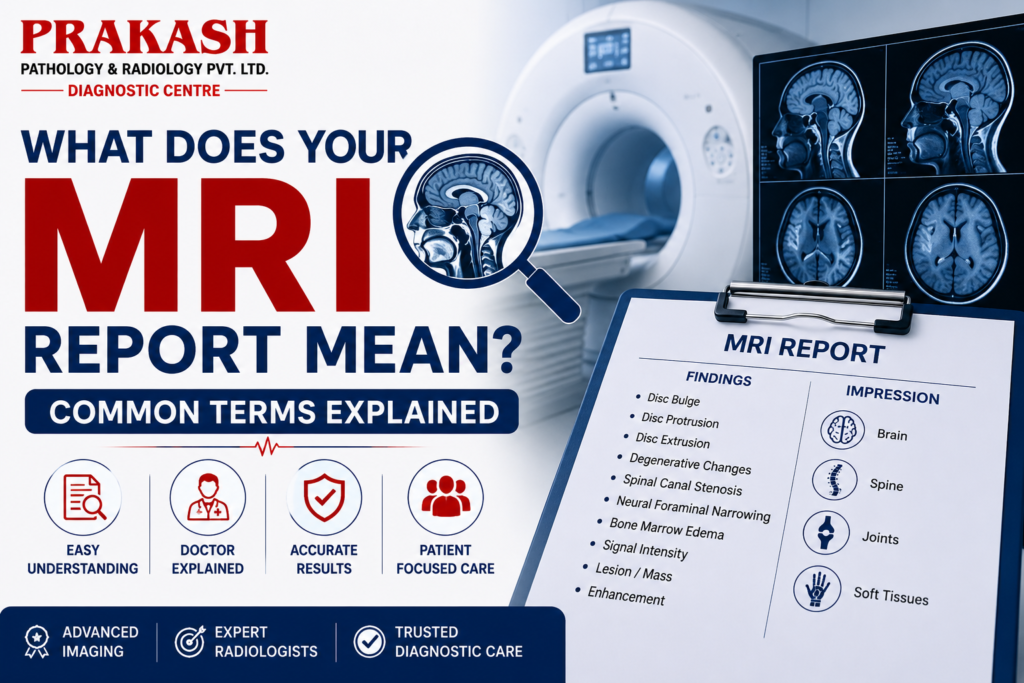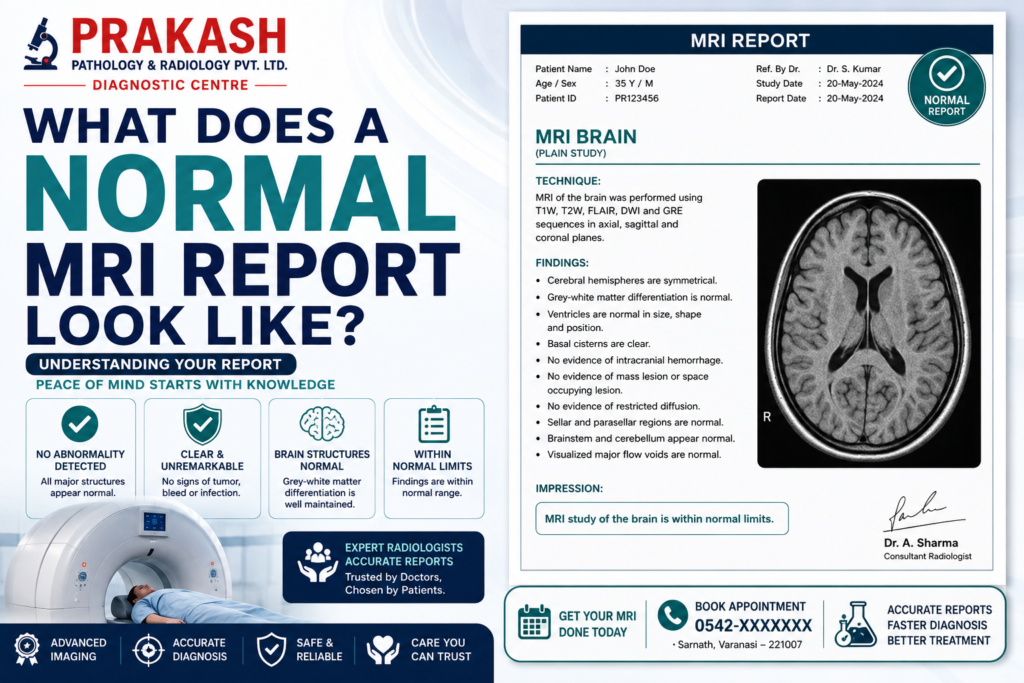
What Does a Normal MRI Report Look Like?
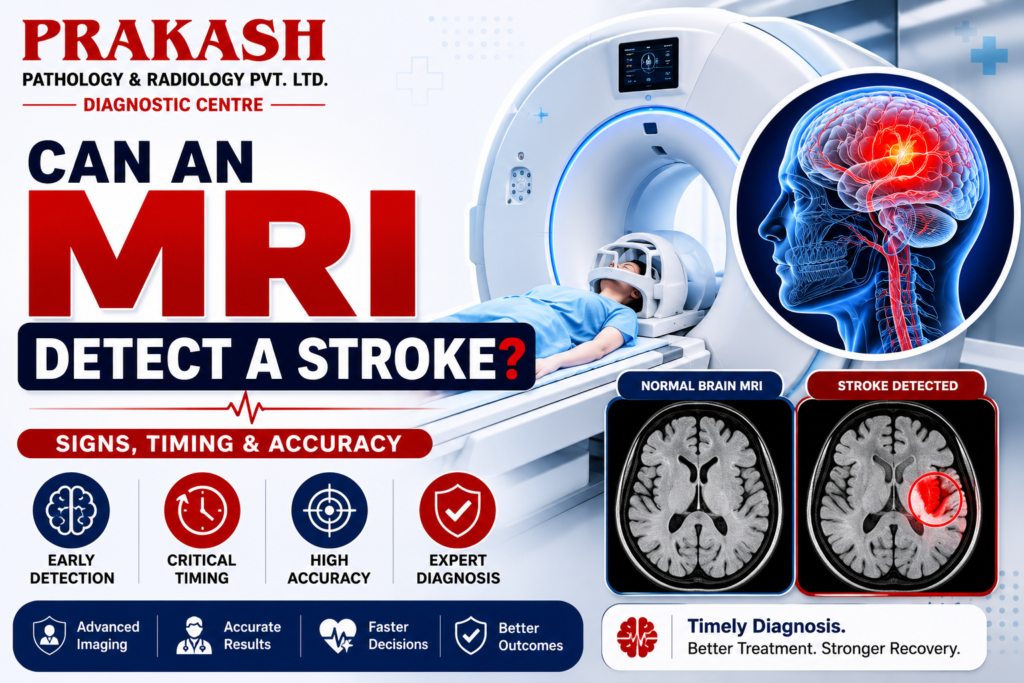
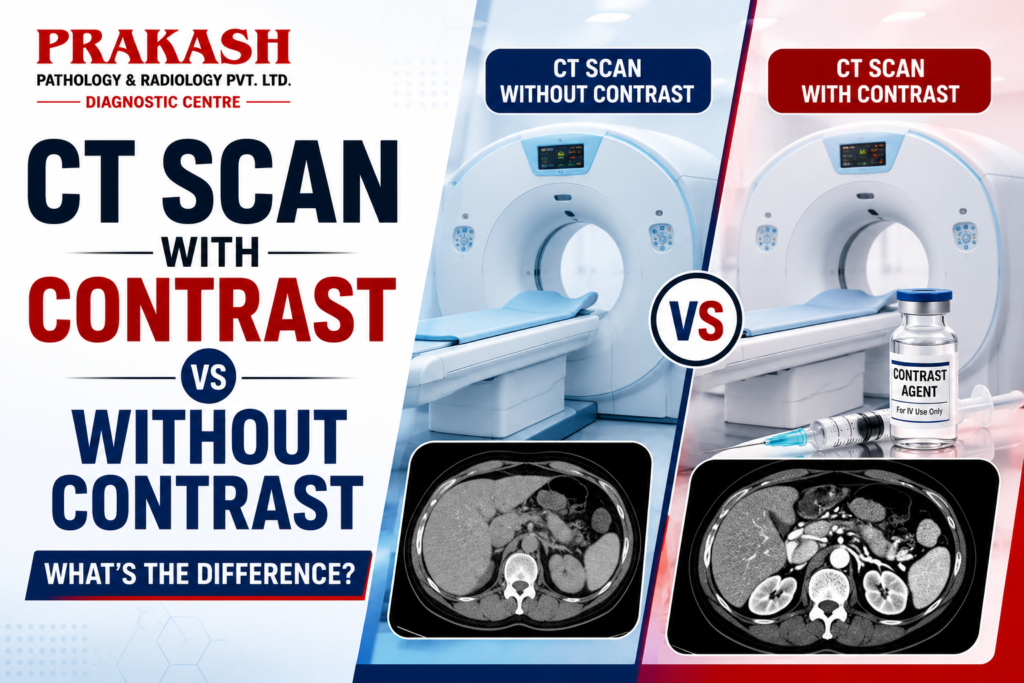
After an MRI scan, most patients are handed a report full of medical terms and short phrases that can feel confusing, even when everything is actually fine. Understanding what a normal MRI report looks like can help you make sense of your results before your follow-up consultation, without jumping to conclusions from unfamiliar wording. Here’s a breakdown of how MRI reports are structured and what “normal” typically means. Why MRI Reports Look the Way They Do MRI reports are written by radiologists in a standardized format so that referring doctors, regardless of specialty, can quickly understand the findings. This means the language is often technical and consistent, not written for a general reader — which is exactly why terms that sound alarming can actually be describing something completely routine. The Standard Sections of an MRI Report 1. Patient and Scan Details This section lists your name, age, the type of MRI performed (brain, spine, knee, etc.), and the date of the scan. It’s purely identifying information and doesn’t reflect any findings. 2. Clinical History / Indication A brief note on why the scan was ordered — for example, “persistent headache” or “lower back pain.” This gives context for what the radiologist was specifically looking for. 3. Technique A short technical description of how the scan was performed, including whether contrast dye was used. If you’re unsure why contrast was or wasn’t used in your case, our guide on CT scan with contrast vs without contrast explains the general principle, which applies similarly to MRI. 4. Findings This is the main body of the report, describing what the radiologist observed in each area scanned — structure size, shape, signal intensity, and any abnormalities. In a normal report, you’ll frequently see phrases like: These phrases indicate that the structures examined appear healthy and typical for your age and clinical context. 5. Impression / Conclusion This is the most important section for most patients — a short summary at the end that highlights the key takeaway. In a completely normal report, this section is often just one or two lines, such as “Normal MRI of the brain. No acute findings.” Common Terms in a Normal MRI Report (And What They Mean) What a Normal MRI Report Does NOT Mean It’s worth knowing that “normal” doesn’t always mean there’s nothing happening at all — it means nothing abnormal was detected within what an MRI can visualize. Some conditions are functional rather than structural and may not show up on imaging even when symptoms are real. This is exactly why your doctor interprets the MRI report alongside your symptoms, examination, and other test results, rather than relying on the report in isolation. Should You Read Your MRI Report Yourself? It’s completely fine to read through your report to understand the general structure and get familiar with the terms used. But interpreting what the findings mean for your specific health situation should always be left to your doctor, since context, medical history, and symptoms all factor into what a finding actually means for you. If you’re unsure about a specific stroke-related concern on an MRI, our detailed guide on how MRI detects stroke is a useful starting point. When Should You Ask Your Doctor for Clarification? A quick clarification call with your doctor is always better than trying to interpret medical terminology on your own. Get Your MRI at Prakash Pathology & Radiology At Prakash Pathology & Radiology in Varanasi, every MRI scan is reviewed by experienced radiologists who prepare clear, accurate reports for your doctor. You can book an appointment online, explore our full radiology services, or contact us if you have questions before your scan. FAQs What does “unremarkable” mean in an MRI report? It means the radiologist found nothing unusual or concerning in that area — it’s a positive, normal finding, not a vague or dismissive term. Does a normal MRI report mean there’s nothing wrong with me? It means no structural abnormality was detected on imaging. Some conditions don’t show up on MRI, which is why your doctor considers the report alongside your symptoms and examination. Why does my MRI report have so many technical terms? MRI reports are written in standardized medical language so any referring doctor can understand the findings quickly and accurately, not for general readability. What is the “Impression” section of an MRI report? It’s the short summary at the end of the report that highlights the key conclusion — usually the most useful section for understanding your overall result. Should I be worried about “incidental findings” in my report? Not necessarily. Incidental findings are things noticed that weren’t related to why the scan was ordered, and are often harmless, though your doctor may still want to note or monitor them. Related Reads: Have questions about an MRI report or need a scan done? Book an appointment with Prakash Pathology & Radiology in Varanasi.
What Does a Normal MRI Report Look Like? Read More »